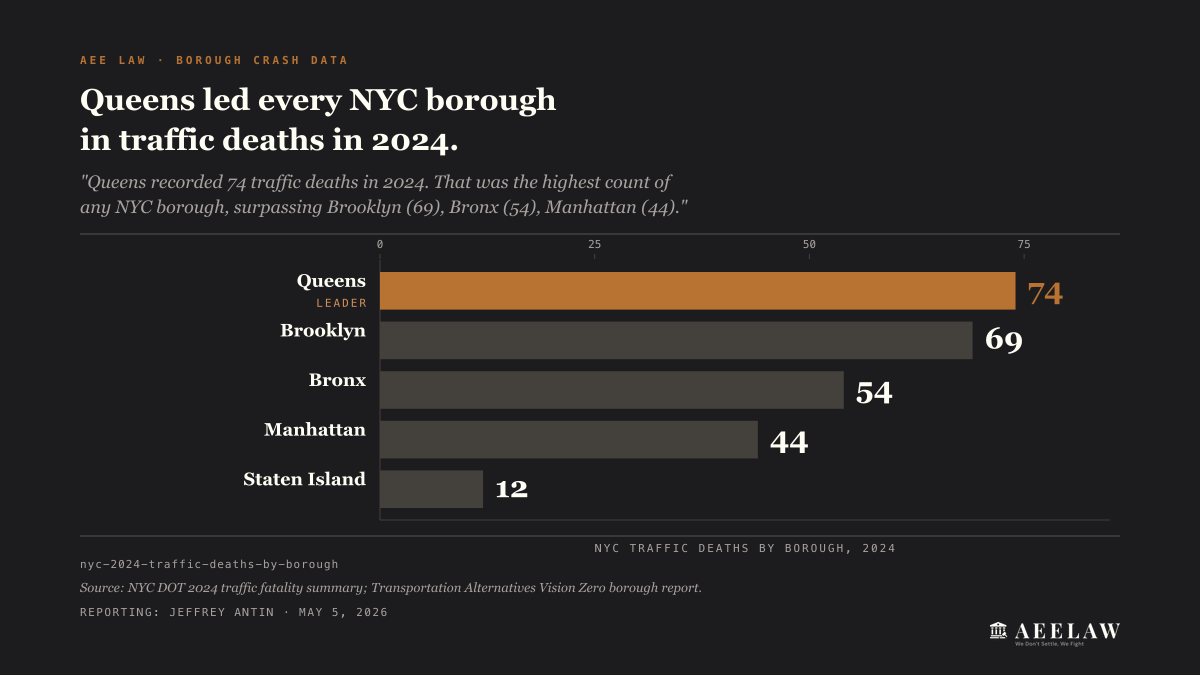
Queens recorded 74 traffic deaths in 2024. That was the highest count of any NYC borough, surpassing Brooklyn (69), the Bronx (54), Manhattan (44), and Staten Island (12). In 2025, the number dropped to 57, but Queens still ranked second behind Brooklyn. The data comes from NYC DOT’s January 2026 report.
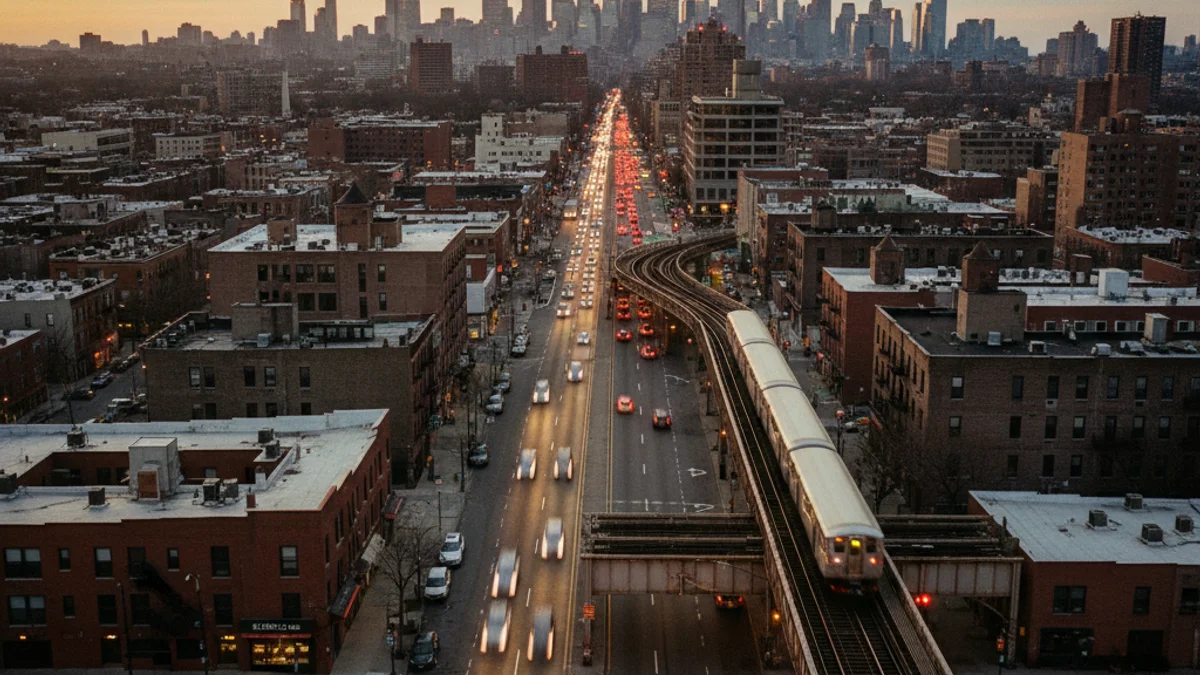
The borough’s danger comes from a specific combination: high-speed arterial roads, two major airports generating constant commercial traffic, and wide boulevards that were built for cars, not for the 2.3 million people who live here.
Queens by the Numbers
NYC DOT’s January 2026 report on 2025 traffic fatalities places Queens in the broader context:
| Borough | 2024 Deaths | 2025 Deaths | Change |
|---|---|---|---|
| Queens | 74 | 57 | -23% |
| Brooklyn | 69 | 63 | -9% |
| Bronx | 54 | 33 | -39% |
| Manhattan | 44 | 39 | -11% |
| Staten Island | 12 | 13 | +8% |
Queens accounted for roughly 28% of all NYC crash-related injuries in 2022, second only to Brooklyn at 33%. Together, the two boroughs produce more than 60% of all injury crashes citywide.
NYPD precinct data through December 2023 showed troubling trends in Queens. In Queens South precincts, cycling injuries climbed 35.4% year over year. Pedestrian injuries rose 8.6%. Total injuries were up 5.2%. Queens North precincts saw total injuries rise 11.8%.
Northern Boulevard: The New Boulevard of Death
Transportation Alternatives gave Northern Boulevard that label in September 2018. The data supported the name.
Northern Boulevard and 48th Street is now tied for the deadliest intersection in all of New York City. According to Transportation Alternatives’ December 2025 analysis, nine people have been killed or seriously injured there in five crashes since January 2022: seven motorists, one pedestrian, and one cyclist.
The broader corridor is equally dangerous. In 2021, Northern Boulevard recorded 284 crashes. The worst intersections that year:
| Intersection | Crashes (2021) |
|---|---|
| Northern Blvd & Cross Island Parkway | 17 |
| Northern Blvd & Parsons Boulevard | 11 |
| Northern Blvd & 126th Street | 9 |
| Northern Blvd & Union Street | 9 |
| Northern Blvd & Prince Boulevard | 8 |
Between 2012 and 2016, a 4.3-mile segment of Northern Boulevard produced 1,086 injuries to pedestrians, cyclists, and vehicle occupants. Ten people died on the corridor between the start of 2017 and September 2018.
One statistic captures the core problem: 65% of pedestrian crashes on Northern Boulevard involved people crossing with the signal. The Queens average is 34%. When pedestrians doing everything right still get hit at nearly twice the expected rate, the road’s design is the problem. The NYC DOT Northern Boulevard Safety Study documented this disparity.
NYC DOT has invested in improvements. Thirteen pedestrian islands installed since 2014 reduced pedestrian injuries 51% and total injuries 14% on treated sections. A $79 million redesign of 2.7 miles between Broadway and 114th Street was unveiled in 2021. But crash numbers on the full corridor remain high.
Queens Boulevard: After the Redesign
Queens Boulevard’s history is written in fatalities. Since 1990, at least 186 people have been killed on this road, including 138 pedestrians. In 1997 alone, 18 pedestrians died. The name “Boulevard of Death” stuck because the numbers justified it.
NYC DOT completed a full 7-mile redesign in November 2024 after nine years of phased construction. The project reduced lanes from 12 to 10, lowered the speed limit to 25 mph, added protected bike lanes in both directions, and installed red light and speed cameras.
The results are significant:
- Traffic fatalities decreased 68% on redesigned sections
- Pedestrian injuries dropped 45%
- Overall injuries declined 35%
- Cyclist volumes increased 100-450% across the corridor
- Three calendar years with zero pedestrian or cyclist deaths (2014-2017 period)
A $150 million permanent hardscape project is planned for the Roosevelt Avenue to 73rd Street segment, with construction expected to begin in 2025.
Queens Boulevard is safer. But it is not safe. The corridor still recorded 223 crashes in 2021, producing 1 death and 129 injuries. Dangerous intersections remain:
| Intersection | Crashes (2021) |
|---|---|
| Queens Blvd & Jackson Avenue | 15 |
| Queens Blvd & Woodhaven Boulevard | 14 |
| Queens Blvd & 39th Street | 9 |
| Queens Blvd & 57th Avenue | 9 |
| Queens Blvd & Skillman Avenue | 8 |
The fundamental geometry of Queens Boulevard, up to 300 feet wide in places, still creates long, dangerous pedestrian crossings even with the improvements.
The Long Island Expressway Through Queens
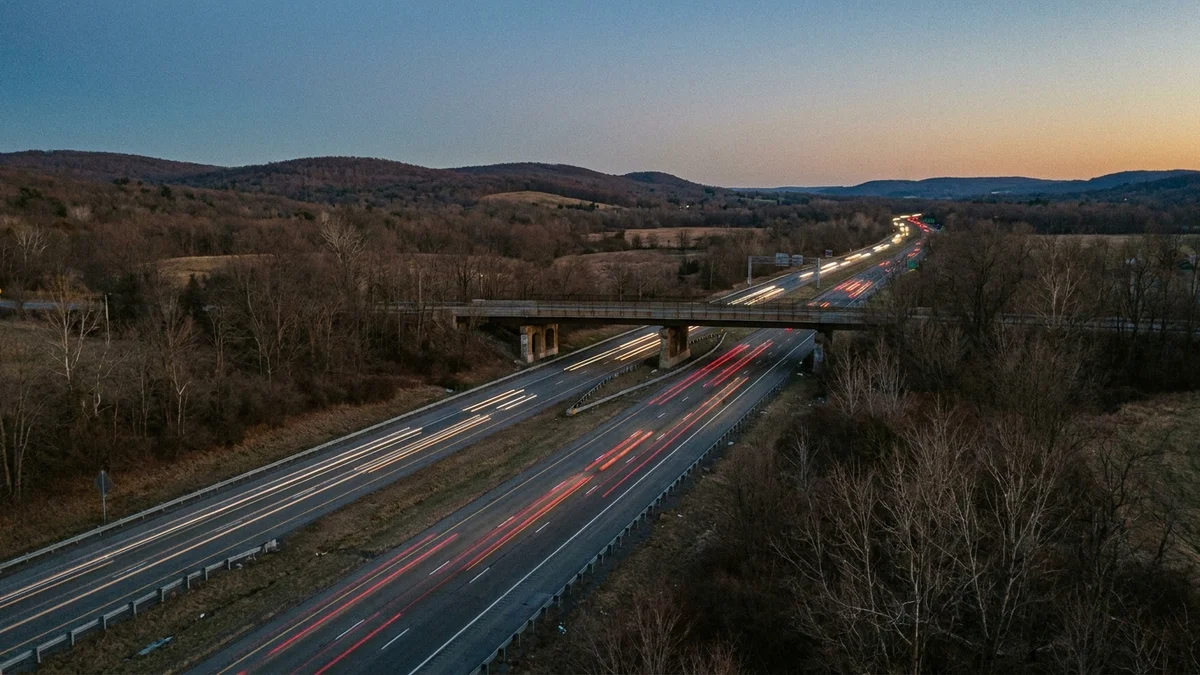
The LIE carries high-speed traffic through the heart of Queens, with dangerous interchange zones where highway driving meets local streets. The same expressway continues east into Long Island, where crash patterns intensify on the less-congested stretches.
Between 2007 and 2016, the expressway recorded more than 600 crashes, with 265 resulting in fatal injuries. Near Maurice Avenue, there were 30 crashes and 15 fatalities in that period.
NYSDOT found that truck drivers frequently pull over to sleep in this area, creating hazards for through traffic. The BQE interchange at Exit 17W recorded another 30 crashes in the same timeframe, with confusion from lane crossing to make exits a leading cause.
The LIE’s stop-and-go congestion produces rear-end collisions throughout the Queens segment. High-speed merges at interchanges create sideswipe and lane-change crashes. Commercial truck traffic adds weight and force to collisions that might otherwise be minor.
Van Wyck Expressway: Airport Traffic and Danger
The Van Wyck carries approximately 110,000 vehicles per day between the Whitestone Expressway and the Kew Gardens interchange. One in twelve of those vehicles during morning rush is a commercial truck serving JFK Airport.
JFK processed 62.6 million passengers in 2025, its second-busiest year ever. LaGuardia handled 32.8 million. Both airports sit entirely within Queens, and the roads serving them bear the consequences.
The Van Wyck’s combination of heavy volume, commercial traffic, confused airport travelers, and rideshare vehicles creates a corridor where rear-end collisions, relentless lane changes, and speed-related crashes are constant. The ongoing $19 billion JFK modernization project adds construction zones and detours that further disrupt traffic flow.
The Conduit Avenue Corridor
The Conduit Avenue corridor along the Brooklyn-Queens border deserves attention. In the past five years, 5 people died and more than 40 suffered severe injuries on a stretch between Atlantic Avenue and Lefferts Boulevard.
Speed cameras along Conduit Avenue log the highest number of speed violations of any location in the city. There are only 15 signalized crossings across the entire 3-mile stretch, and 29 schools sit within half a mile.
In May 2025, NYC DOT launched a community-driven planning process to redesign the corridor, building on speed-limit reductions and new pedestrian signals already in place.
What This Means for Injured Queens Residents
Queens has structural problems that produce predictable crashes. Wide, fast arterial roads designed in an era when pedestrian safety was not a design priority. Two major airports generating constant commercial and rideshare traffic. Expressway interchanges that force split-second lane decisions.
When you are injured in a crash on one of these corridors, the crash history at that location can strengthen your case. A pattern of crashes at the same intersection or stretch of highway can establish that the condition was known and the city, state, or property owner failed to act.
Video evidence matters. Queens has extensive red light and speed camera coverage, plus private surveillance cameras on commercial corridors. Obtaining this footage quickly is critical because it gets overwritten. NYC Open Data Motor Vehicle Collisions lets you look up the crash history at any Queens intersection before filing suit.
Our firm has represented injured Queens residents in Queens County Supreme Court for over 37 years. We know these roads, these courts, and the insurance adjusters who handle Queens claims. If you were injured on Northern Boulevard, Queens Boulevard, the LIE, or any other dangerous Queens road, contact us for a free consultation.
Call 212-221-5999 or request a free case review.