
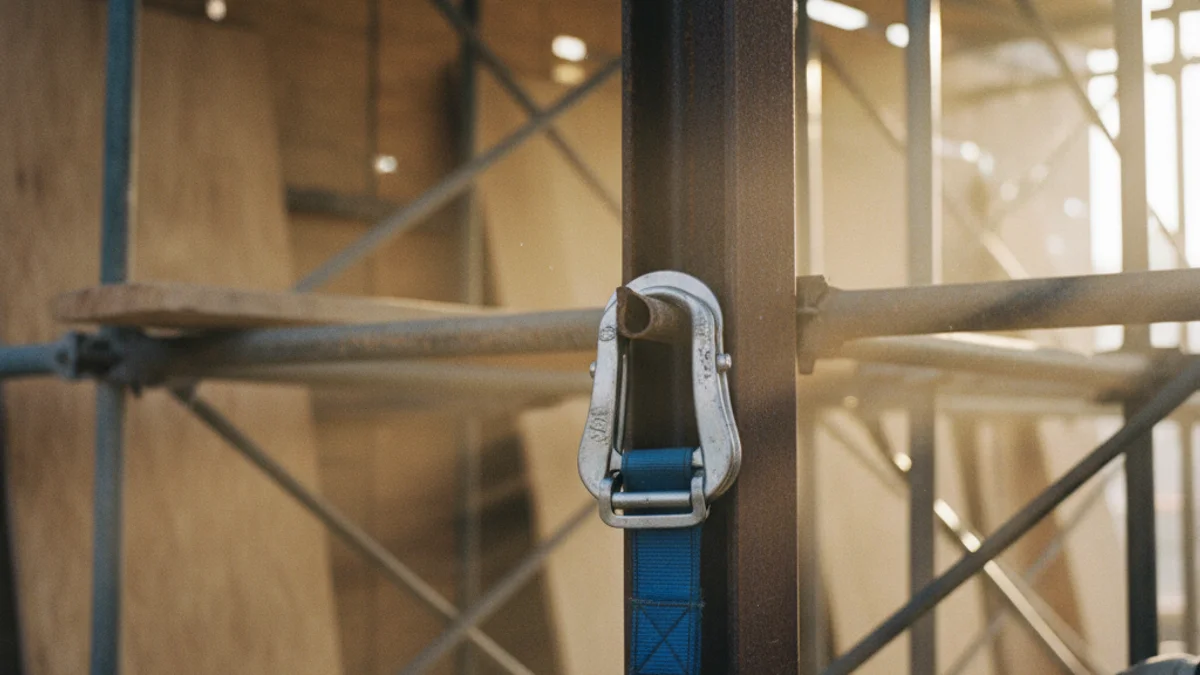
New York Labor Law 240, commonly known as the “Scaffold Law,” is one of the most powerful legal protections available to construction workers anywhere in the country. If you’ve been injured in a fall at a construction site, understanding this law could be the difference between recovering full compensation and getting nothing.
After 37 years of representing injured construction workers in New York City, I can tell you that Labor Law 240 cases are some of the strongest claims we handle. Here’s what every construction worker needs to know.
What is Labor Law 240?
NY Labor Law § 240, enacted in 1885, requires property owners and general contractors to provide proper safety equipment to workers engaged in activities involving elevation risks. This includes work involving:
- Scaffolding
- Ladders
- Hoists and pulleys
- Stays and braces
- Ropes and other safety devices
The law applies to construction, excavation, and demolition work, as well as the erection, maintenance, and repair of buildings and structures.
Why is Labor Law 240 So Important?
What makes Labor Law 240 extraordinarily powerful is that it imposes absolute liability on property owners and general contractors when they fail to provide proper safety equipment and that failure causes a worker to fall.
This means that if you were injured because of inadequate fall protection, the owner or contractor is liable, regardless of whether the worker was partially negligent. Comparative negligence, which normally reduces damages in New York personal injury cases, does not apply to Labor Law 240 claims.
Who Can Sue Under Labor Law 240?
Labor Law 240 protects:
- Union and non-union workers
- Employees of contractors and subcontractors
- Day laborers
- Undocumented workers (immigration status does not affect your right to sue)
You can sue the property owner and general contractor, even if you weren’t directly employed by them. Your own employer may be immune from a lawsuit under workers’ compensation law, but the property owner and general contractor are not.
What Injuries Are Covered?
Labor Law 240 applies to “gravity-related” injuries. This includes:
- Falls from scaffolds, ladders, or roofs
- Falling objects striking workers
- Collapsed scaffolding or hoisting equipment
- Falls through unsecured openings or holes
- Injuries from improperly secured loads
The key is that the injury must involve a significant elevation differential and be caused by the force of gravity.
What Must You Prove?
To succeed on a Labor Law 240 claim, you must prove:
- You were engaged in a covered activity (construction, demolition, or repair)
- You suffered a gravity-related injury
- The property owner or contractor failed to provide adequate safety devices
- That failure was a proximate cause of your injury
Once you establish these elements, the defendant’s liability is established. The only remaining question is the extent of your damages.
Common Defense Arguments (And Why They Often Fail)
Property owners and contractors often try to avoid liability by arguing:
- “The worker was negligent.” This defense fails because Labor Law 240 imposes absolute liability. A worker’s comparative negligence is not a defense.
- “Safety equipment was available but the worker didn’t use it.” This defense only works if the equipment was genuinely adequate and the worker’s decision not to use it was the sole proximate cause of the accident. That is a high bar to meet.
- “We’re not the owner/contractor.” Courts interpret these terms broadly. Even a tenant exercising sufficient control over the work may be held liable as an “owner.”
What Damages Can You Recover?
Under Labor Law 240, injured workers can recover:
- Past and future medical expenses
- Lost wages and loss of earning capacity
- Pain and suffering
- Permanent disability
- Loss of enjoyment of life
Construction fall injuries are often catastrophic: spinal cord injuries, traumatic brain injuries, multiple fractures. Recoveries in these cases frequently reach seven figures.
Related Labor Laws: 241(6) and 200
Construction accident claims often involve additional theories of liability:
- Labor Law 241(6) requires that construction sites be maintained in accordance with specific safety codes established by the Industrial Code. Unlike 240, this law does allow for comparative negligence.
- Labor Law 200 codifies the common-law duty of property owners to provide a safe workplace. This claim requires proving negligence.
We typically pursue all applicable theories to maximize our clients’ recovery.
Time Limits for Filing
In New York, you generally have three years from the date of your accident to file a Labor Law 240 lawsuit. However, there are important exceptions:
- If a government entity is involved, you may have as little as 90 days to file a notice of claim
- Workers’ compensation claims have separate deadlines
- Evidence deteriorates and witnesses disappear over time
Why You Need an Experienced Construction Accident Attorney
Labor Law 240 cases are highly technical. Defense attorneys working for insurance companies know every angle to try to defeat these claims. You need an attorney who:
- Has extensive experience with New York Labor Law claims
- Understands construction site safety requirements
- Can work with expert witnesses to establish liability
- Is prepared to take cases to trial when necessary
Insurance companies know which attorneys will settle cheap and which ones will fight. We’re the attorneys who fight.
Get Your Free Consultation
If you’ve been injured in a construction accident in New York City, you may have a strong Labor Law 240 claim. Contact our office for a free consultation. We’ll review your case, explain your rights, and help you understand what your claim may be worth.