Personal Injury Trial Lawyers
Manhattan Bicycle Accident Lawyers
Manhattan recorded ~1,332 cyclist injuries in 2024. Broadway, Second Avenue, Third Avenue, Sixth at 23rd. We handle the cases that go to trial.
Manhattan cyclists face NYC's densest motor-vehicle traffic
Manhattan recorded approximately 1,332 bicyclist injuries in 2024. NYC DOT reported approximately 5,000 total bicycle crashes citywide in 2023, with Manhattan accounting for a substantial share given its cyclist density.
The borough's grid concentrates the highest taxi, rideshare, delivery van, and bus volume in NYC alongside the protected and unprotected bike lane network. Crashes cluster at Broadway, Second Avenue, Third Avenue, the Sixth Avenue corridor (especially West 23rd), the West Side Highway / Hudson River Greenway crossings, and the bridge approaches.
New York's no-fault law covers bicyclists struck by motor vehicles. PIP benefits (up to $50,000) come from the policy of the vehicle that struck the cyclist.
To sue the driver for pain and suffering, the cyclist must clear the Insurance Law 5102(d) "serious injury" threshold, which most catastrophic NYC bike-vs-car injuries easily meet (fracture, significant disfigurement, permanent consequential limitation, etc.).
Manhattan corridors with documented cyclist risk
- Broadway through SoHo, Flatiron, Garment District. Blocked bike lanes, crossing taxi traffic.
- Second Avenue. Heavy north-south cyclist volume, high taxi/rideshare density.
- Third Avenue. Same corridor pattern.
- Sixth Avenue at West 23rd Street. Documented high-injury crossing.
- West Side Highway / Hudson River Greenway. Crashes at cross-street intersections.
- Manhattan Bridge bike path. Cyclist-on-cyclist and merging crashes at exits.
- Brooklyn Bridge bike lane. Crowding and pedestrian-cyclist conflicts.
- FDR Drive entry/exit ramps. Cyclist-vehicle conflicts at on-ramps.
- Canal Street. Mixed bicycle, pedestrian, truck, and tour-bus traffic.
- 14th Street busway. Bus-bicycle conflicts despite the bus-only restriction.
Deadlines and statutes
- CPLR 214(5). Three-year personal-injury SOL.
- EPTL 5-4.1. Two years from date of death for wrongful death.
- GML 50-e. 90-day Notice of Claim for NYC, NYCHA, MTA, NYC Health + Hospitals.
- Insurance Law 5103. No-fault PIP for cyclists struck by motor vehicles.
- Insurance Law 5102(d). Serious-injury threshold for tort recovery.
- VTL 388. Vehicle owner liability for permissive use.
- NYC Administrative Code 7-201. Prior written notice for sidewalk/roadway defects against NYC.
- MVAIC (Article 52 Insurance Law). Coverage for hit-and-run cyclists, 90-day notice.
- CPLR 1411. Comparative fault. Partial fault reduces recovery in proportion. For motor vehicle lawsuits filed on or after May 26, 2026, CPLR 1411(b) bars recovery when the plaintiff's fault is greater than the combined fault of the defendants.
Where Manhattan bicycle cases are filed
New York County Supreme Court at 60 Centre Street has unlimited civil jurisdiction. Appeals go to the Appellate Division, First Department (Manhattan and Bronx). For NYC public-vehicle crashes, a Notice of Claim must be served on the NYC Comptroller at 1 Centre Street within 90 days.
What to do after a Manhattan bicycle crash
- Get medical care. Bellevue, Mount Sinai, NYU Langone, NewYork-Presbyterian, Lenox Hill, Mount Sinai Beth Israel, and Harlem Hospital treat cyclist trauma.
- Get the NYPD accident report number.
- File the no-fault PIP application within 30 days with the insurer of the vehicle that struck you.
- If hit-and-run, file MVAIC notice within 90 days.
- Do not give a recorded statement to the driver's insurer.
- Photograph the scene, the bike lane (or absence of one), traffic signals, the vehicle, your bike, and your injuries.
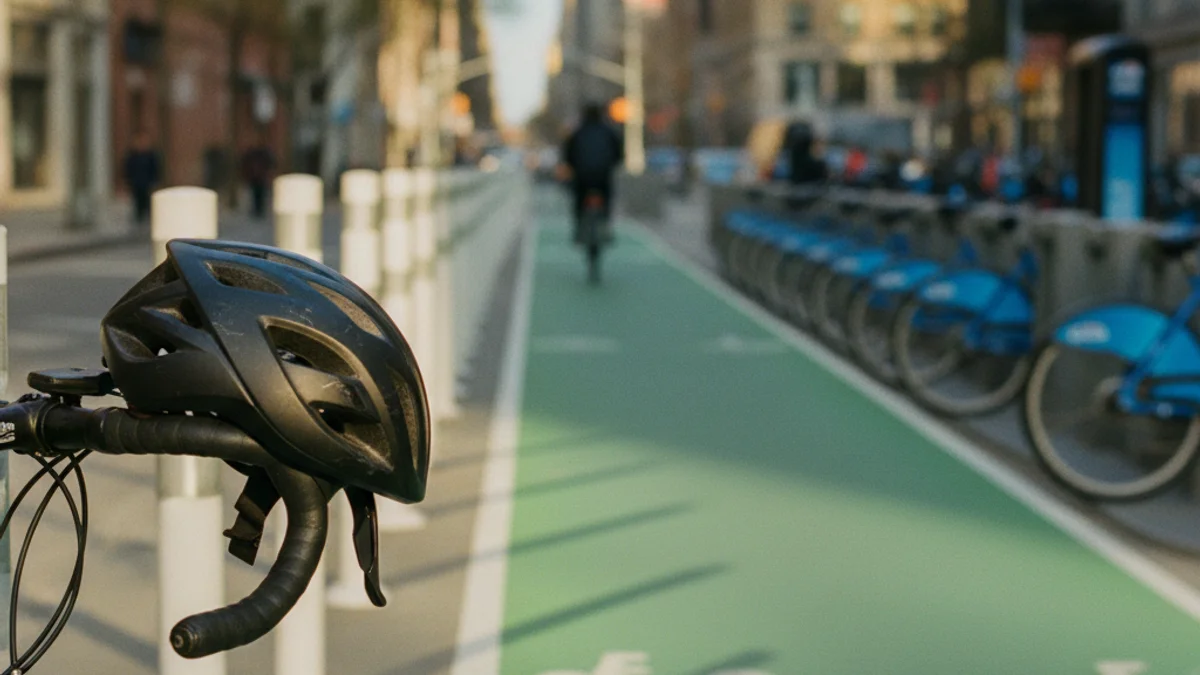
- Preserve your bike, helmet, and gear. Damage patterns are evidence.
Related analysis from our team
- Cyclist Fatalities on NYC Routes
- E-Bike Crashes in NYC: The Data Behind the Danger
- Brooklyn Bridge Accident Data
- Manhattan Personal Injury Lawyers
- NYC Bicycle Accident Lawyers
NYC Department of Transportation. Vision Zero cyclist data.
https://www.nyc.gov/site/visionzero/index.pageNYPD TrafficStat and NYC Open Data. Motor Vehicle Collisions dataset.
https://data.cityofnewyork.us/Public-Safety/Motor-Vehicle-Collisions-Crashes/h9gi-nx95NYC DOT Bicycle Crash Mapper.
https://www.nyc.gov/site/visionzero/index.pageNew York Civil Practice Law and Rules §§ 208, 214, 1411.
https://www.nysenate.gov/legislation/laws/CVPNew York Insurance Law §§ 5102(d), 5103, Article 52.
https://www.nysenate.gov/legislation/laws/ISCNew York General Municipal Law §§ 50-e, 50-i.
https://www.nysenate.gov/legislation/laws/GMU/50-ENYC Administrative Code §§ 7-201, 7-210.
https://codelibrary.amlegal.com/codes/newyorkcity/latest/NYCadmin/0-0-0-1New York Vehicle and Traffic Law § 388.
https://www.nysenate.gov/legislation/laws/VATInjured in NYC? Talk to a Trial Lawyer.
Free consultation. No fee unless we win.
Frequently Asked Questions
How dangerous is cycling in Manhattan?
Manhattan recorded approximately 1,332 bicyclist injuries in 2024. NYC DOT reported approximately 5,000 total bicycle crashes citywide in 2023, with Manhattan representing a significant portion. The grid carries the highest cyclist density in NYC alongside heavy taxi, rideshare, delivery van, and bus traffic. Cyclist fatalities cluster on Broadway, Second Avenue, Third Avenue, and at major crossings like Sixth Avenue and West 23rd Street.
Where are Manhattan bicycle accident cases filed?
New York County Supreme Court at 60 Centre Street handles civil cases with unlimited jurisdiction, the correct venue for any serious bicycle injury claim. New York County Civil Court handles smaller claims. Appeals go to the Appellate Division, First Department (Manhattan and Bronx). For crashes involving NYC vehicles, MTA buses, NYPD or FDNY vehicles, NYC Sanitation trucks, or other public-authority vehicles, a Notice of Claim must be served on the NYC Comptroller within 90 days under General Municipal Law 50-e.
Does no-fault insurance cover bicyclists in Manhattan?
Yes. New York Insurance Law 5103 covers bicyclists struck by motor vehicles. Personal Injury Protection (PIP) benefits up to $50,000 cover medical expenses and lost wages regardless of fault. PIP comes from the policy of the vehicle that struck the cyclist (or, if the vehicle was uninsured or unidentified, the Motor Vehicle Accident Indemnification Corporation provides coverage with a 90-day notice requirement). To sue the driver for pain and suffering, the cyclist must clear the 'serious injury' threshold under Insurance Law 5102(d).
What are Manhattan's deadliest bike corridors?
Broadway through SoHo, the Flatiron, and the Garment District concentrates cyclist crashes from blocked bike lanes and crossing traffic. Second Avenue and Third Avenue carry heavy north-south cycling volume. Sixth Avenue at West 23rd Street is a documented high-injury crossing. The Manhattan Bridge bike path and Brooklyn Bridge bike lane have been the focus of NYC DOT crash analysis. West Side Highway / Hudson River Greenway crashes cluster at intersections with cross streets. Citi Bike crash hotspots track these same corridors.
What is the statute of limitations for a Manhattan bicycle case?
Three years from the accident date for personal injury under CPLR 214(5). Two years from date of death for wrongful death under EPTL 5-4.1. PIP application within 30 days. For government-vehicle cases, 90-day Notice of Claim under GML 50-e and 1 year and 90 days to commence suit. Hit-and-run claims through MVAIC require notice within 90 days. Minors toll the clock until age 18 under CPLR 208.
Who can be liable when a Manhattan cyclist is hit?
Primarily the at-fault driver. Liability often extends. The driver's employer if working (commercial truck, MTA bus, NYC Sanitation, taxi, rideshare, delivery van. Amazon, UPS, FedEx, food delivery). The vehicle owner under VTL 388 if different from the driver. NYC if a defective traffic signal, blocked bike lane, or pothole contributed (subject to prior-written-notice rules under NYC Administrative Code 7-201). The bar or restaurant under Dram Shop Act 11-101 if the driver was visibly intoxicated.
What about e-bike and Citi Bike crashes?
E-bikes (under 25 mph for Class 1 and 2) and Citi Bike rides are covered by the same Vehicle and Traffic Law and no-fault framework as standard bicycles when struck by a motor vehicle. Citi Bike's operator (Lyft) carries product-liability exposure for defective bikes and may have insurance coverage. Class 3 e-bikes (over 25 mph) and certain mopeds may have different requirements. Crashes between cyclists, between e-bikes and pedestrians, or involving delivery e-bikes have their own complications.
What compensation is available in a Manhattan bicycle case?
Past and future medical expenses, lost wages and loss of future earning capacity, pain and suffering, permanent impairment, loss of consortium, and in fatal cases pecuniary loss to the statutory distributees under EPTL 5-4.3. Manhattan cyclist injuries from collisions with cars, trucks, and buses are routinely catastrophic: traumatic brain injuries, multiple fractures, internal injuries, spinal injuries. Manhattan juries return solid plaintiff verdicts in clear-liability cases.